Coffee Tasting Guide: Aroma, Body, Crema
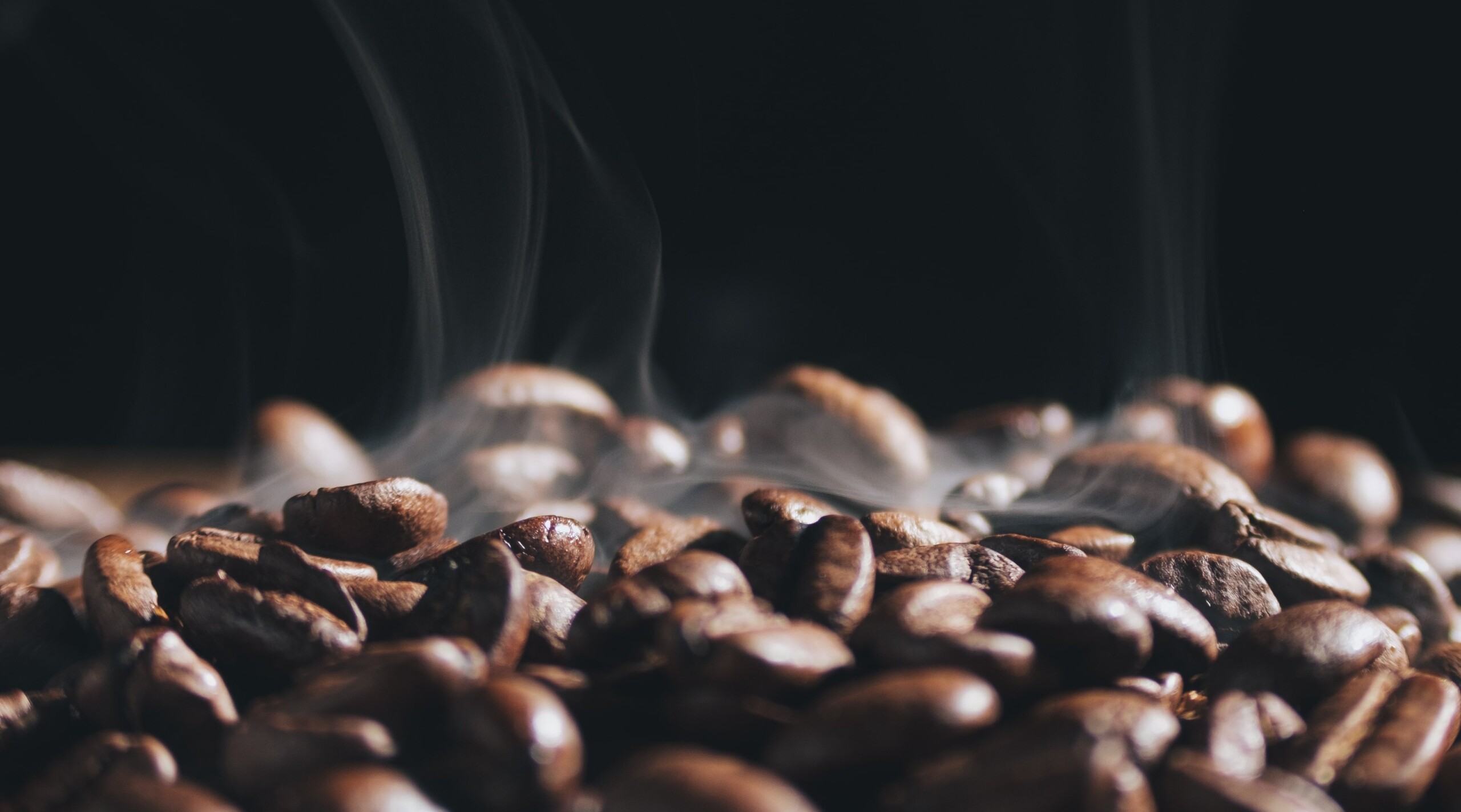
Tasting coffee is more than a daily habit, it’s a full sensory experience. Just like wine, coffee can be analyzed and appreciated in all its nuances: from aroma to crema, from flavour to body.
In this guide, you’ll learn how to taste coffee step by step, even as a beginner, and start recognising its different components to develop a more refined and conscious palate.
Grinding and Aroma: The First Step in Coffee Tasting
Tasting coffee begins before the first sip: it starts with grinding.
When coffee beans are ground, they release aromatic compounds that form the coffee’s aromatic profile. To preserve these notes, always use a clean grinder free from residues of previous blends.
By smelling the freshly ground coffee, you’ll start to identify sweet, roasted, fruity, or spicy notes, which vary based on origin and roast level.
This step is important for learning how to notice different aromas and get familiar with their variety.
Coffee Aroma: How to Identify and Describe It
Aroma is one of the key elements in coffee tasting. You can detect it before taking a sip, by smelling the cup, and during tasting, thanks to retronasal perception, when aroma molecules travel from the mouth to the nose.
To interpret these scents, professionals use the Coffee Taster’s Flavor Wheel, a tool that groups aromas into families like fruity, spicy or roasted, and then into specific notes such as blueberry, hazelnut or dark chocolate.
Even without training, using the flavor wheel can help you develop a more refined nose and better appreciate the aromatic complexity of specialty coffee.
Tasting Coffee: How to Evaluate Flavor, Balance, and Body
After analyzing the aroma, it’s time to taste. Let the coffee move slowly across your tongue to engage all your taste receptors and explore its flavour profile.
Pay attention to sweetness, bitterness, acidity, often more noticeable in washed Arabica, and especially body, which refers to the texture or mouthfeel.
Coffee body can vary from light and watery to dense, creamy or oily. It depends on factors like bean variety, roast level, brewing method and filtration.
Espresso and moka produce a fuller body, while filter methods result in a lighter cup.
A balanced coffee has a round, harmonious body, recognising this takes time and practice.
Tasting Espresso: Why Stirring Matters
When it comes to espresso, a simple gesture can make a big difference: stir the cup before tasting. During pressure-based extraction, espresso naturally stratifies — with solids and acidity settling at the bottom, and lighter, more bitter notes rising to the top. Without stirring, each sip may taste unbalanced. Stirring blends the layers, giving you a more even and accurate sense of the espresso’s flavour profile.
Tasting Miscela d’Oro Coffees: Compare Aromas and Flavor Profiles
To sharpen your tasting skills, it helps to compare different blends side by side, evaluating their aroma, acidity, body, and aftertaste.
With the Miscela d’Oro Coffee Tasting Kit, you can explore the full sensory range of our signature blends.
The goal is to train your palate, recognise subtle differences in flavour profiles, and develop a more mindful way of tasting.
Blend highlights:
- Espresso Grand Gourmet – Balanced and aromatic, with delicate acidity and sweet notes of cashew and raisin, ending in a dark chocolate finish.
- Espresso Grand Aroma – Full-bodied and rich, featuring hints of spice, cocoa, whisky and tobacco, with a lingering licorice aftertaste.
- Espresso Gran Crema – Smooth and creamy, offering malty sweetness and vibrant notes of roasted nuts, biscuit and whisky.
Sensory Comparison Table
|
Blend |
Aroma (1-5) | Acidity (1-5) | Body (1-5) | Crema (1-5) |
|
Espresso Gran Gourmet |
5 | 4 | 3 | 2 |
| Espresso Grand’Aroma | 4 | 3 | 4 |
3 |
| Espresso Gran Crema | 3 | 2 | 5 |
4 |
Cupping: The Professional Method of Tasting Coffee
Cupping is the standard method used by professionals to taste and evaluate coffee in a consistent, objective way.
It involves tasting several coffees side by side, brewed with identical parameters like grind size, dose, and steeping time, to compare their aroma, acidity, body and aftertaste.
With the right tools, you can even try cupping at home and experience coffee the way trained tasters do.