Is espresso healthier than coffee? What science says
Summary
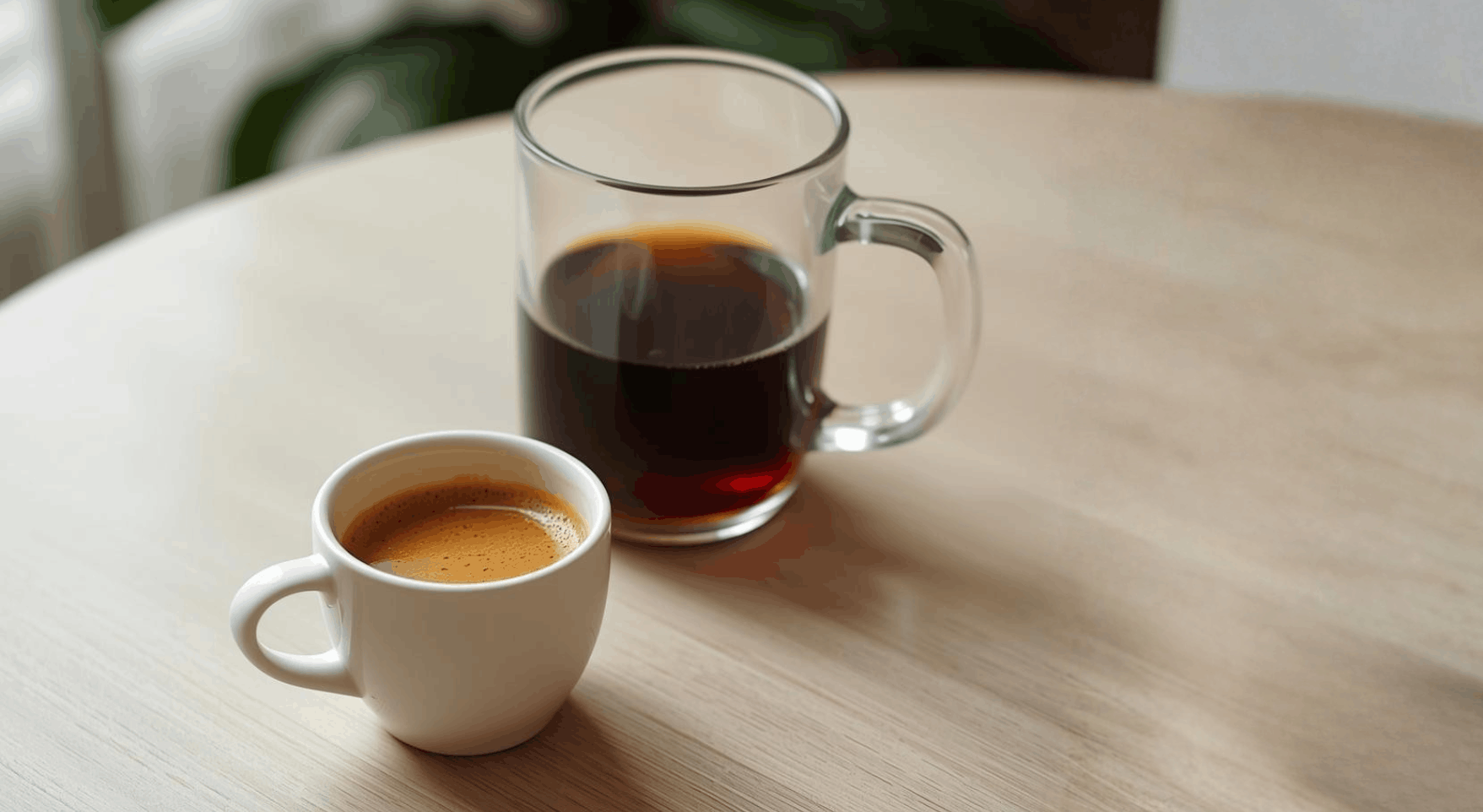
When it comes to coffee and health, one of the most common questions is whether espresso is healthier than “regular” or filtered coffee. Espresso and traditional brewed coffee share the same raw material, coffee beans, but differ in extraction method, concentration, and typical serving size.
The short answer is that there is no absolute winner. However, the way coffee is prepared influences the chemical composition of the beverage and, consequently, some health-related aspects. Let’s look at what scientific evidence suggests.
Espresso and coffee: same origin, different extractions
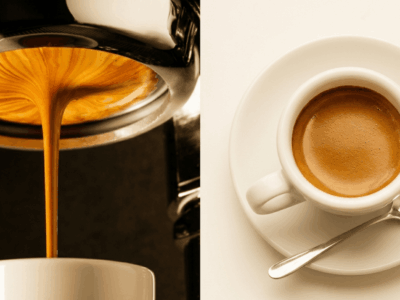
Espresso is prepared by forcing hot water under high pressure through finely ground coffee for about 25–30 seconds. Filter coffee, on the other hand, uses a longer extraction time and a larger amount of water.
These differences result in a more concentrated beverage in the case of espresso and a more diluted one in the case of filter coffee. From a nutritional standpoint, however, both contain very similar bioactive compounds, including caffeine, polyphenols, chlorogenic acids, and other antioxidants that are responsible for many of coffee’s potential benefits.
Caffeine: concentration or serving size?
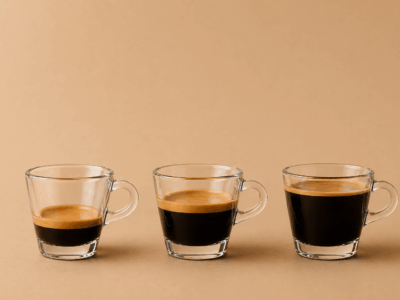
Espresso is often perceived as “stronger,” but this impression mainly relates to concentration. A single 25–30 ml shot of espresso contains on average 60–80 mg of caffeine, while a standard cup of filter coffee (200–240 ml) may contain around 90–120 mg.
In practice, espresso delivers more caffeine per millilitre, but a lower total amount per serving. For this reason, the health impact depends more on the number of cups consumed throughout the day than on the type of coffee itself.
Antioxidants and polyphenols: a benefit of both
Coffee is one of the main sources of antioxidants in the Western diet. These compounds help counteract oxidative stress and are associated with positive effects on metabolism and overall health.
Both espresso and filter coffee provide significant amounts of polyphenols, with only minor differences related to extraction method and roast level. Overall, both beverages can be considered functional drinks when consumed in moderation.
Brewing method and cholesterol: the role of diterpenes
Some naturally occurring compounds in coffee, particularly cafestol and kahweol, may slightly increase LDL cholesterol levels when consumed in large amounts.
Their concentration depends largely on the brewing method. Unfiltered methods, such as Turkish coffee or French press, contain higher levels of these compounds, while paper-filtered coffee significantly reduces them. Espresso sits somewhere in between.
For this reason, people with elevated cholesterol levels may benefit slightly from choosing filter coffee, while moderate espresso consumption is generally not considered problematic.
So, is espresso healthier than coffee?
Strictly speaking, no. Both espresso and filter coffee can easily fit into a healthy lifestyle. Espresso does offer some practical advantages, such as a smaller serving size, easier caffeine control, and a perception of being lighter. Many people report better digestion with espresso compared to long coffee, likely due to the smaller liquid volume and quicker consumption. In addition, medium to dark roasts are more commonly used for espresso and are often perceived as less acidic.
Filter coffee, however, may be slightly preferable for those who wish to minimise their intake of diterpenes.
How to make your coffee habit healthier
Regardless of the format you choose, it is advisable to limit sugar and sweeteners, avoid additions such as syrups and cream, choose high-quality coffee, and keep intake moderate, generally around 2–4 cups per day.
The question “Is espresso healthier than coffee?” does not have a single clear-cut answer. More than the format itself, what truly matters is coffee quality, brewing method, and the amount consumed. A moderate and mindful approach remains the key to enjoying the positive effects of coffee.